Every Family Has a Story Worth Preserving
I am an independent historical and genealogical researcher dedicated to preserving the stories of ordinary families whose lives helped shape the communities they called home.
My research explores the migration of working families from Yorkshire, England, to western Pennsylvania through genealogy, labor history, military service, cemetery preservation, and archival research. Along the way, I have discovered that family history is never just about names and dates—it is about people, places, struggles, and the communities they built.
This website serves as a companion to my ongoing research and to The Ground Remembers: A Family, a Coke Region, and the Search for an Unmarked Grave, bringing together historical essays, photographs, maps, archival documents, and discoveries that continue to unfold. My hope is to preserve these stories not only for my own family, but also for anyone interested in the remarkable history found in the lives of ordinary people.
Every family leaves traces. I believe that preserving the stories of ordinary families helps us better understand the communities, sacrifices, and shared history that connect us all—and ensures that those who came before us are remembered, not forgotten.
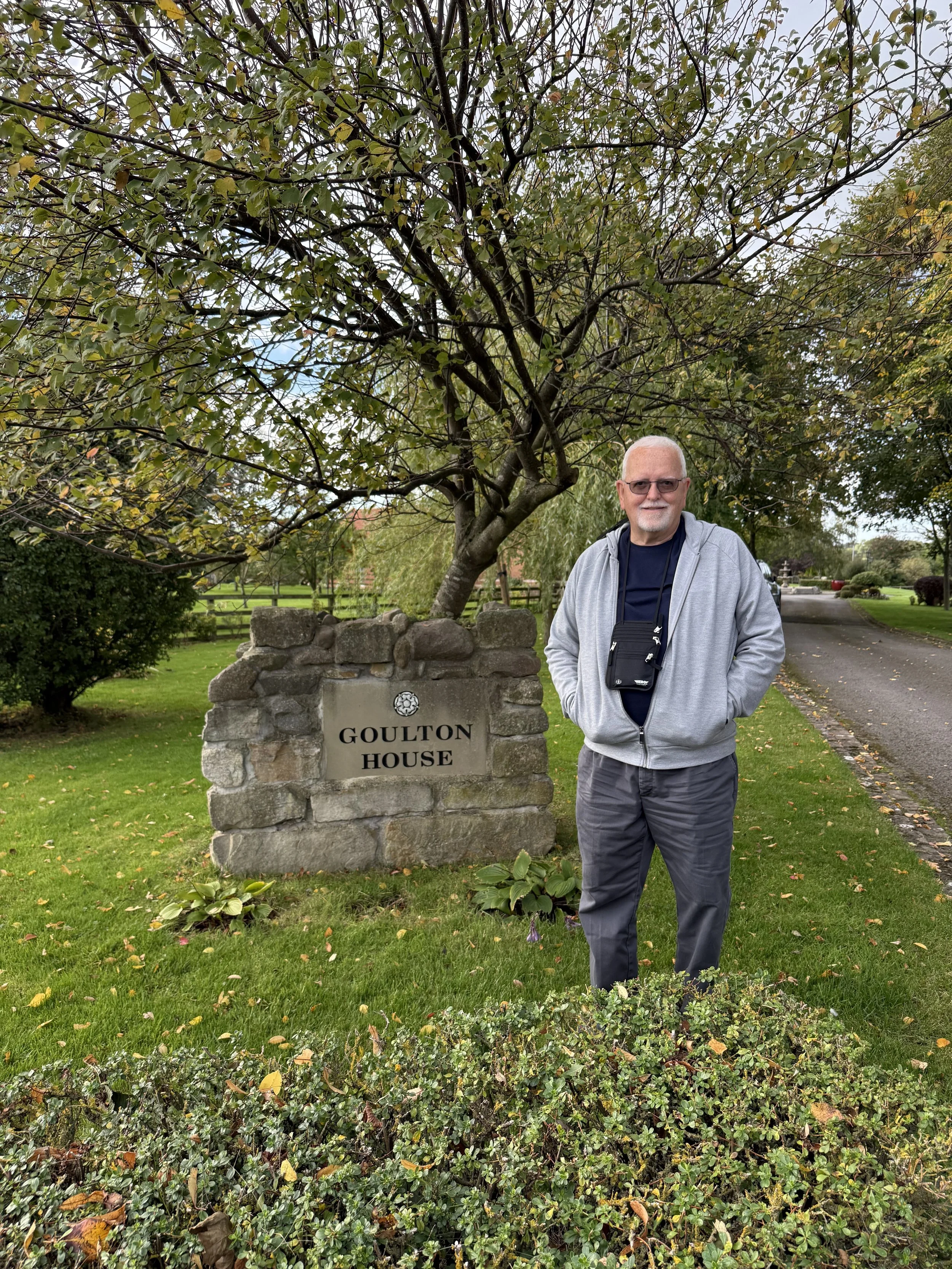
About the Researcher
I am the great-great-grandson of John Gowton, an English immigrant laborer whose name survives in parish records from southwestern Pennsylvania’s coal and coke region. My earliest encounter with family history did not come from documents, but from a red Radio Flyer wagon, returnable bottles, and an unspoken lesson in survival economics, one I would not fully understand until years later.
For most of my life, John Gowton was little more than a name. No photographs, letters, or stories endured to illuminate how he lived. I knew only that he had come to America and worked in industrial Pennsylvania. Beyond that, there was silence.
A remark made by my grandmother in 1977 planted a question I carried through decades of work, family responsibilities, and ordinary life. Not until 2018 was I able to pursue it seriously. When I finally located John’s grave in 2025, the search had taken nearly fifty years.
My understanding of this history is not drawn solely from archives. I worked at U.S. Steel’s Fairless Works, part of the same industrial landscape where my grandfather Peter, my father Kenneth, and other members of my family had labored. My studies in psychology and sociology, my career in human resources, and my experience as an elected official also shaped how I understand labor, institutions, dignity, and responsibility.
I did not come to this subject as a distant observer. I came to it as both a descendant and a participant.
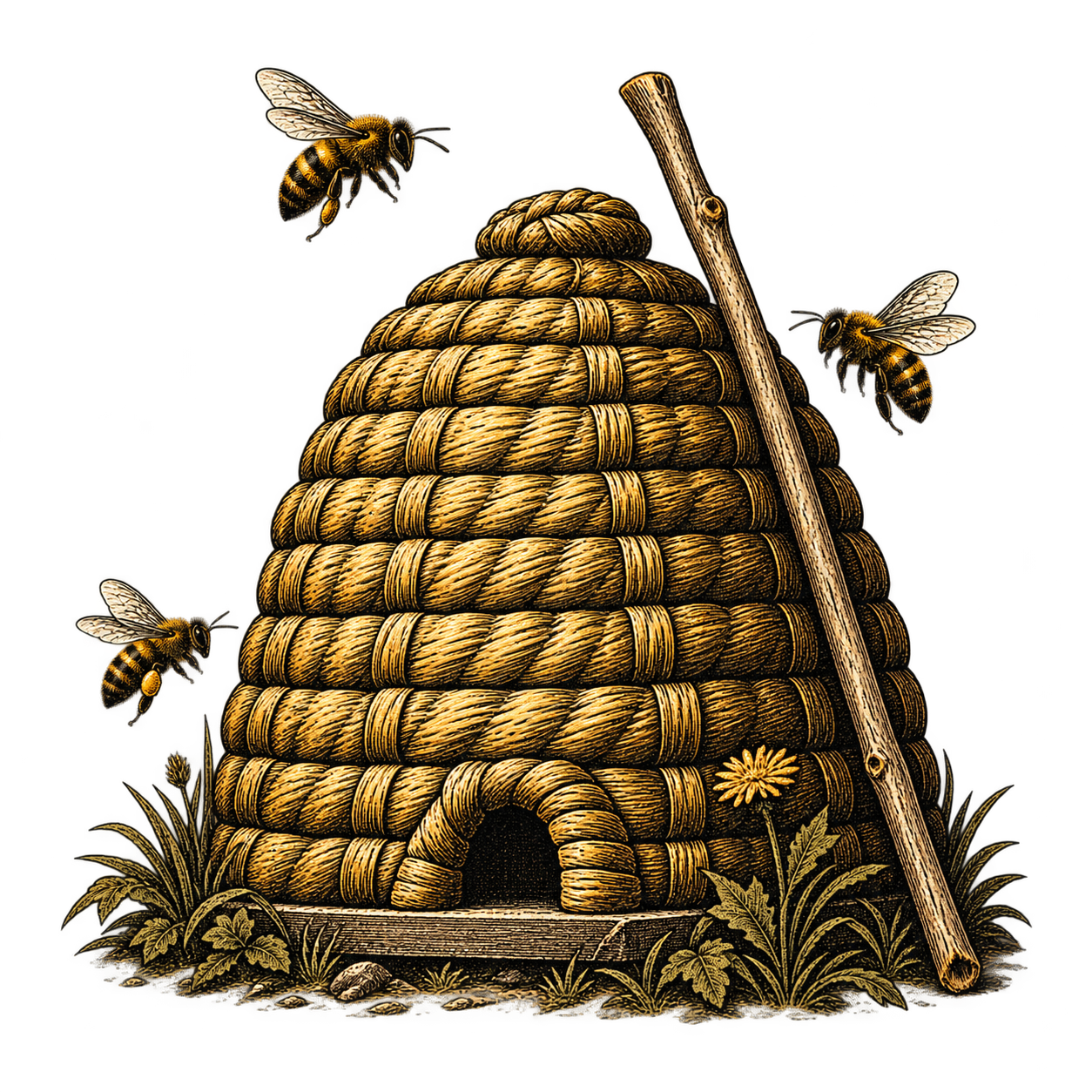
Poking the Beehive
I have poked beehives all my life, both literally and figuratively. Some people see danger and step away. I apparently look for a stick.
It was never simply rebellion. It was curiosity, the need to discover what might emerge when comfortable assumptions were disturbed. I have been stung more than once, but apparently never enough to stop looking for another stick.
Perhaps it is fitting that this curiosity eventually led me back to an ancestor who spent much of his working life tending the beehive coke ovens of western Pennsylvania.
What began as one question became a search for an unmarked grave and, eventually, an effort to recover the stories of ordinary people the industrial system had nearly erased. That same curiosity continues to guide this research today.
Let’s Continue the Conversation
Historical research often begins with a question, a photograph, a family story, or a forgotten name.
If you have information to share, family connections, research questions, local history resources, or opportunities for collaboration, I would be pleased to hear from you.
Many of the discoveries documented through The Keith Gowton Project have begun with conversations and shared memories.