THE MOREWOOD MASSACRE
One community, tangled together by industry, poverty, violence, faith, family, and death
A NOTE ABOUT THIS RESEARCH
I am an enthusiastic amateur genealogist. I explore family history as a hobby, not as a professional historian or genealogist. This story grew from my research into my family's connections to the labor and industrial history of southwestern Pennsylvania. Where the historical record is incomplete, I have tried to distinguish documented facts from my own interpretations.
TWO CONNECTIONS TO MOREWOOD
Family history rarely sorts itself neatly into heroes and villains.
While researching my family's connections to the labor movement and the coal, coke, and steel industries of southwestern Pennsylvania, I encountered two men connected to my family in the history surrounding the Morewood Massacre of 1891.
They appear in very different roles.
George Keller was called to testify about the unrest surrounding the strike. Father Michael A. Lambing, pastor of St. John the Baptist Parish in Scottdale, became involved with the burial of men killed in the conflict.
One appears in the record as a witness describing a community under strain. The other appears in the aftermath, when that same community had to bury its dead.
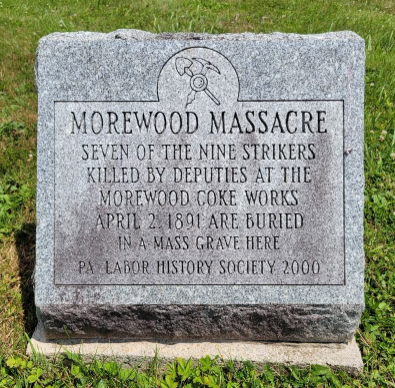
Morewood Massacre Burial Site
Seven of the nine striking workers killed at Morewood in 1891 were buried in a mass grave at St. John the Baptist Cemetery in Scottdale.
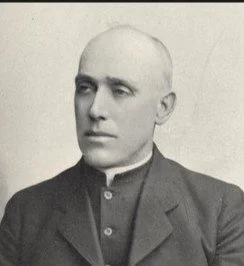
Father Michael A. Lambing
Pastor of St. John the Baptist Parish, Lambing became involved in the burial of the Morewood dead.
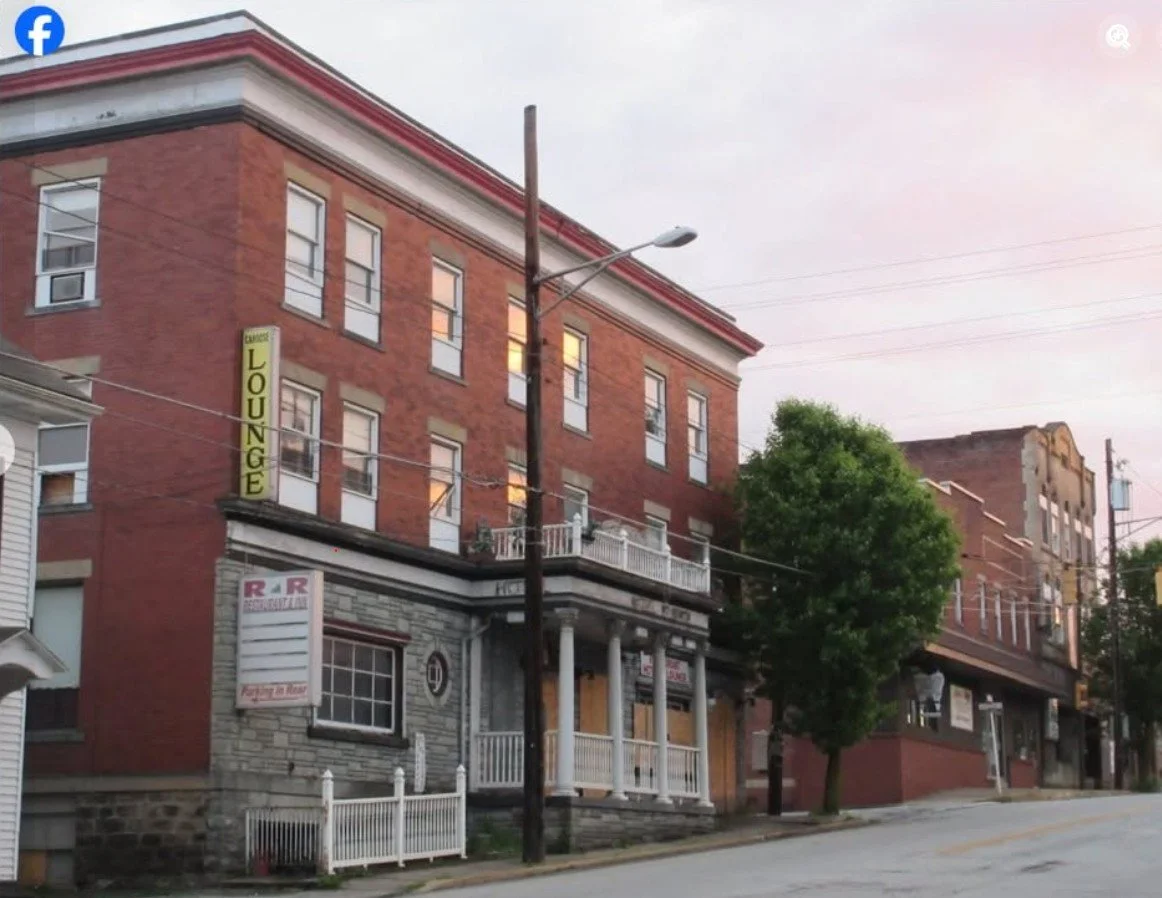
Mount Pleasant and the Keller Connection
The area associated with the Shupe mill and Keller Alley, where George Keller enters the historical record surrounding the 1891 unrest.