The Ground Remembers
A Family, a Coke Region, and the Search for an Unmarked Grave.
Excerpt:
Prologue — The Ground She Knew
On May 26, 1901, Mary Elizabeth Gowton stood on the hillside at the Cemetery in Scottdale, Pennsylvania, watching the ground close over her husband's body.
She knew exactly where he lay. She stood beside the open earth as Father Michael Lambing spoke the prayers for the dead. She had watched the coffin lower into the ground. She knew exactly where he rested—his location marked in the parish registry if nowhere else, recorded in her memory but not in stone.
But the answer to that question would be waiting later in parish records.
I would recover what Mary Elizabeth already knew.
This book begins with finding one forgotten grave. It ends by uncovering a world that industrial America nearly erased.
The story continues in
The Ground Remembers
A Family, a Coke Region, and the Search for an Unmarked Grave.
The Work Continues
The story of John Gowton is only one among thousands.
His journey opened a window into a much larger history—one that continues to unfold with every new discovery.
Every mining town, coke works, railroad, furnace, and mill across Pennsylvania left behind families whose lives helped build our communities but whose stories were seldom preserved. Many rest in forgotten cemeteries. Others survive only in parish registers, census records, faded newspapers, and family memories.
The Keith Gowton Project is dedicated to recovering those stories—not only for one family, but for everyone who believes ordinary lives deserve to be remembered.
A Vision for Preservation
The Keith Gowton Project is more than a family history. It is a long-term effort to preserve the stories of ordinary people whose lives helped shape Pennsylvania's industrial communities.
Through historical research, community partnerships, and public education, the project seeks to encourage the preservation of forgotten places, recover overlooked stories, and inspire others to explore their own family histories.
Every recovered name strengthens our understanding of the communities that built this region.
Recovering Forgotten Graves
Every marked grave tells a story. Every unmarked grave raises a question.
Across Pennsylvania's coal fields, coke regions, rail corridors, and industrial communities, many workers lie in unmarked graves even though parish registers, cemetery records, and historical documents preserve their names.
One long-term goal of this project is to work alongside descendants, churches, cemeteries, historians, and community organizations to help identify these forgotten burial places and, where possible, restore their names to the landscape.
From One Cemetery to a Larger History
St. John the Baptist Cemetery in Scottdale offers one place to begin.
Its graves preserve the stories of immigrant families, miners, furnace workers, railroad laborers, widows, children, clergy, and others whose lives were shaped by the industrial growth of southwestern Pennsylvania.
Preserving a cemetery involves more than repairing stones. It begins with research, documentation, site assessment, historical records, photography, mapping, and collaboration with churches, descendants, local organizations, and preservation professionals.
By carefully documenting the history and condition of St. John the Baptist Cemetery, this project hopes to contribute to a model for future work involving forgotten burial grounds, potter's fields, almshouse cemeteries, and other places connected to Pennsylvania's laboring communities.
The Pennsylvania Historical & Museum Commission (PHMC) has long promoted the documentation, preservation, and interpretation of Pennsylvania's historic burial grounds. The archived guide below provides valuable educational information for anyone interested in cemetery preservation and documentation.
Note: The Cemetery Preservation Guide is an archived educational resource provided for historical reference. It should not be relied upon as current regulatory, legal, preservation, or funding guidance. For the latest preservation programs, technical assistance, grants, and official guidance, please visit the Pennsylvania State Historic Preservation Office.
The resources below have helped shape my own research and preservation efforts. I hope they encourage others to document, preserve, and share the stories of their own communities.
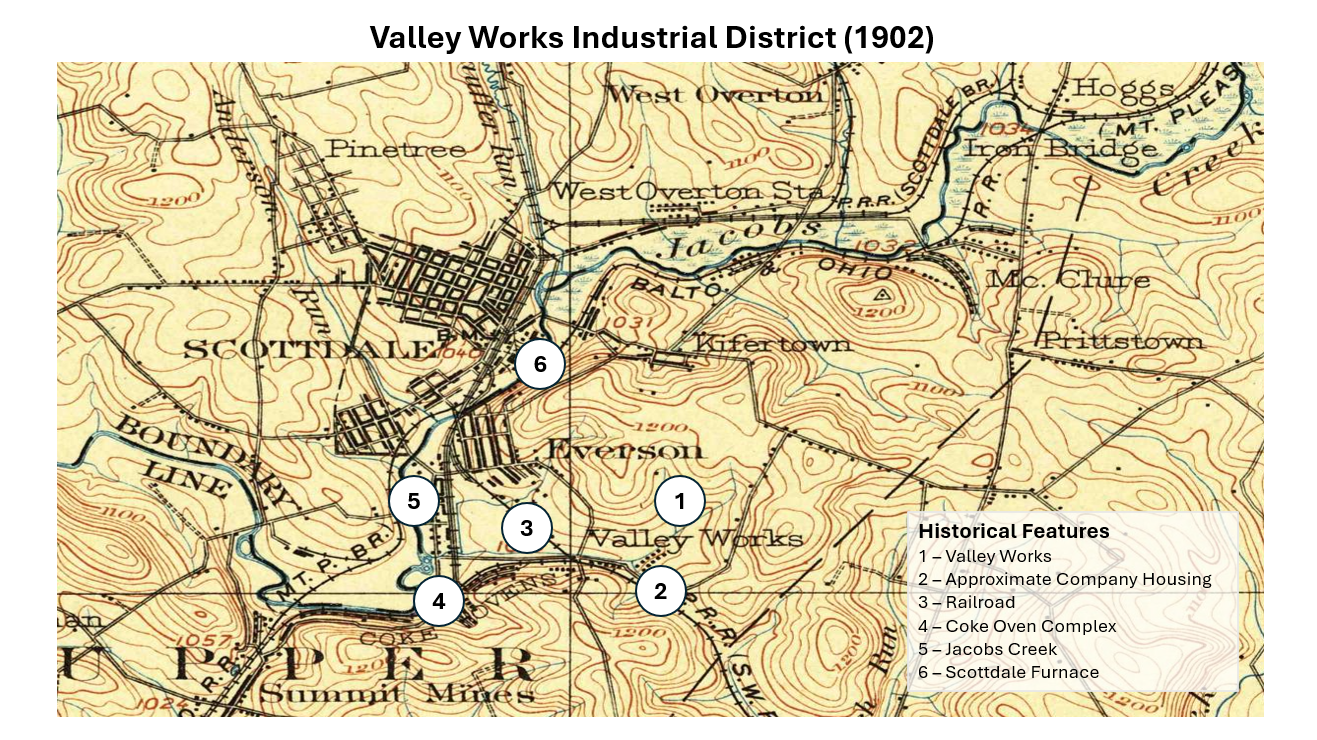
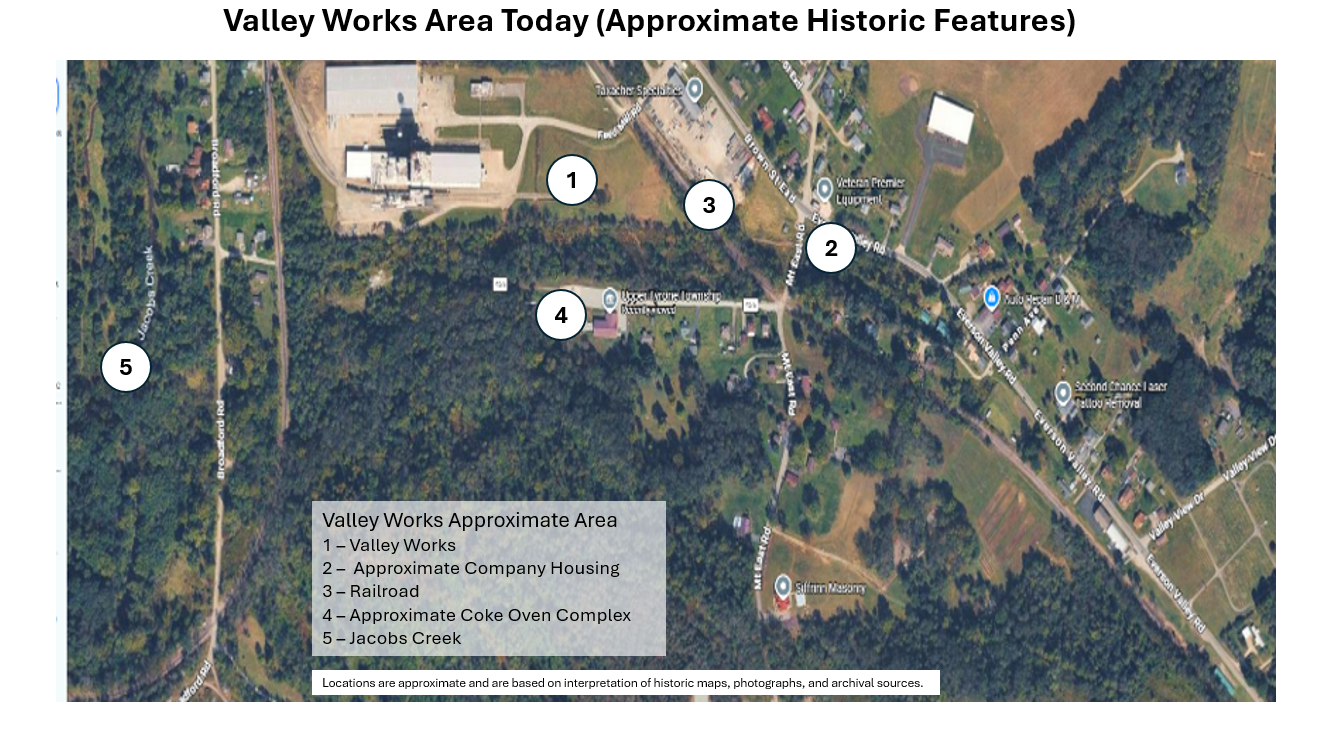
Valley Works: Then and Now
Historical maps and modern satellite imagery reveal how dramatically the Valley Works community has changed. What was once a bustling industrial landscape of worker housing, railroads, coke ovens, and manufacturing facilities has largely disappeared from view. These interpretive maps help readers visualize the community that shaped the lives of many of the families whose stories are told in The Ground Remembers.
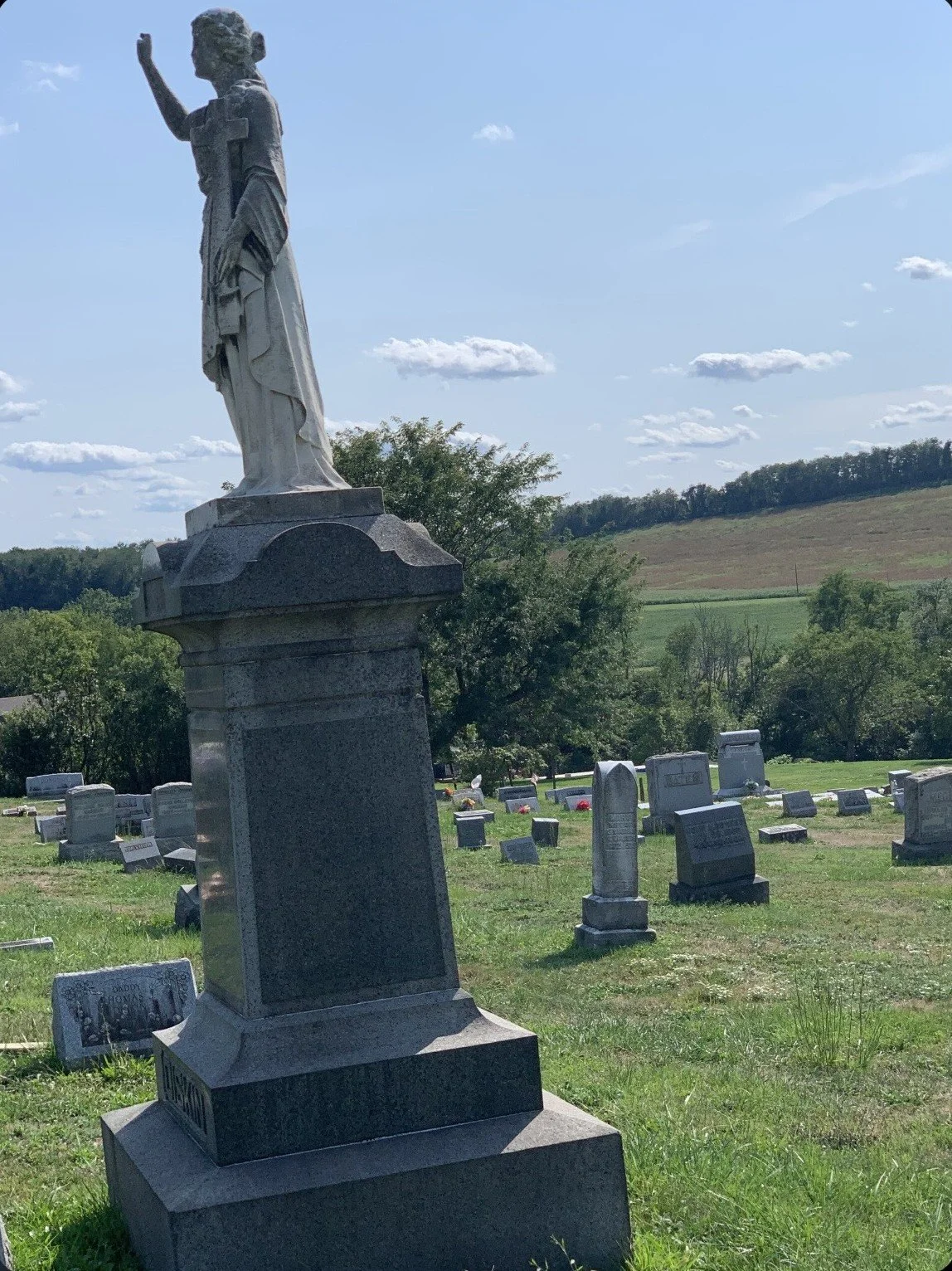
St. John the Baptist Cemetery, Scottdale, Pennsylvania
The pointed monument visible in the background marks the grave of Mary Jennie Roadman Gowton. During the course of this research, it became clear that the open space beside her marker was never empty. It is the unmarked grave of her father, John Gowton—a discovery that illustrates how careful documentation, historical records, and cemetery research can restore forgotten family histories.
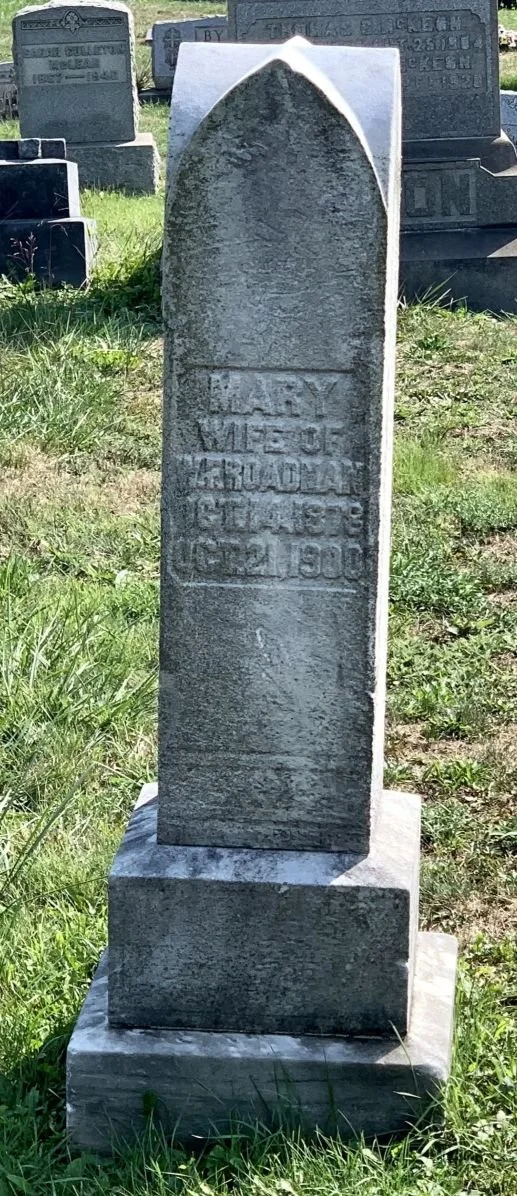
Mary Jennie Gowton marker reads as Mary wife of W.F. Roadman
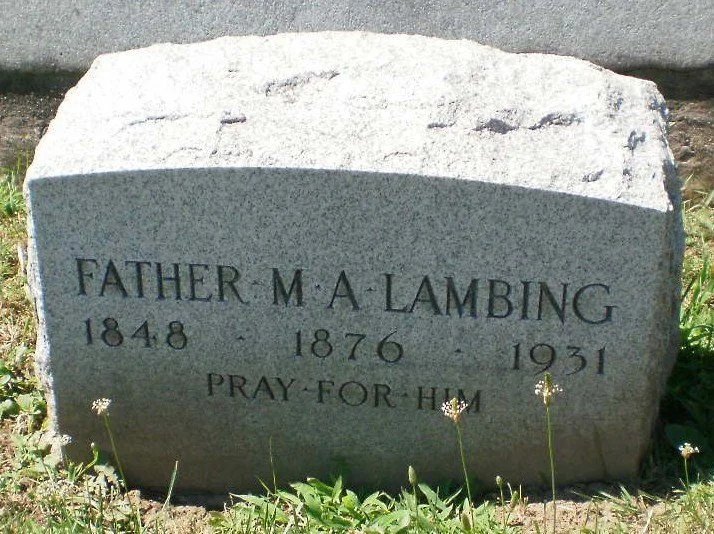
Father Michael A. Lambing (1848–1931), whose ministry and community leadership left a lasting impact on the immigrant and working families of southwestern Pennsylvania.
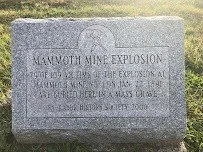
Memorial honoring the 58 miners who lost their lives in the Mammoth Mine explosion of January 27, 1891
St. Andrew’s Churchyard, Bishop Auckland, County Durham, England
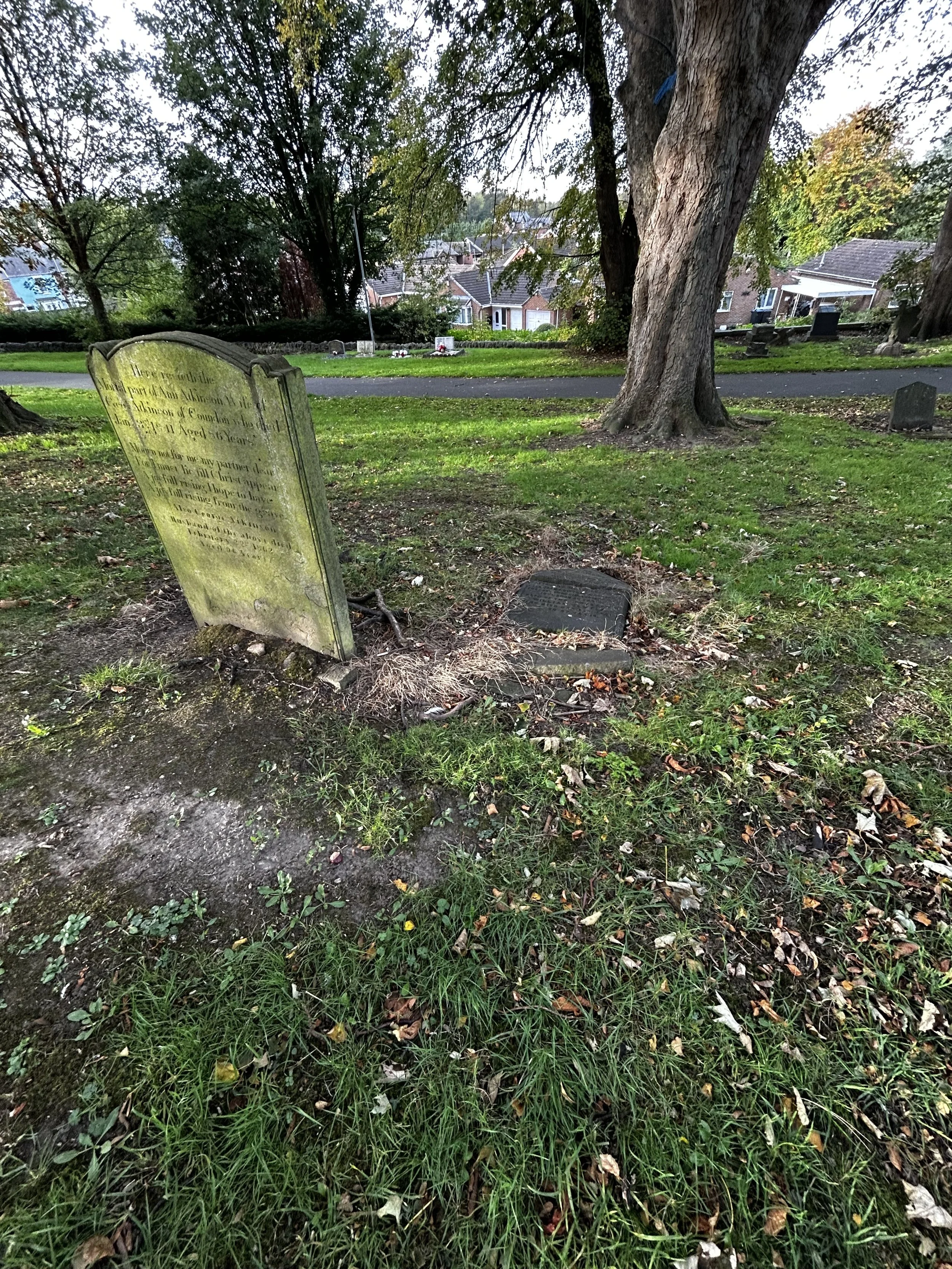
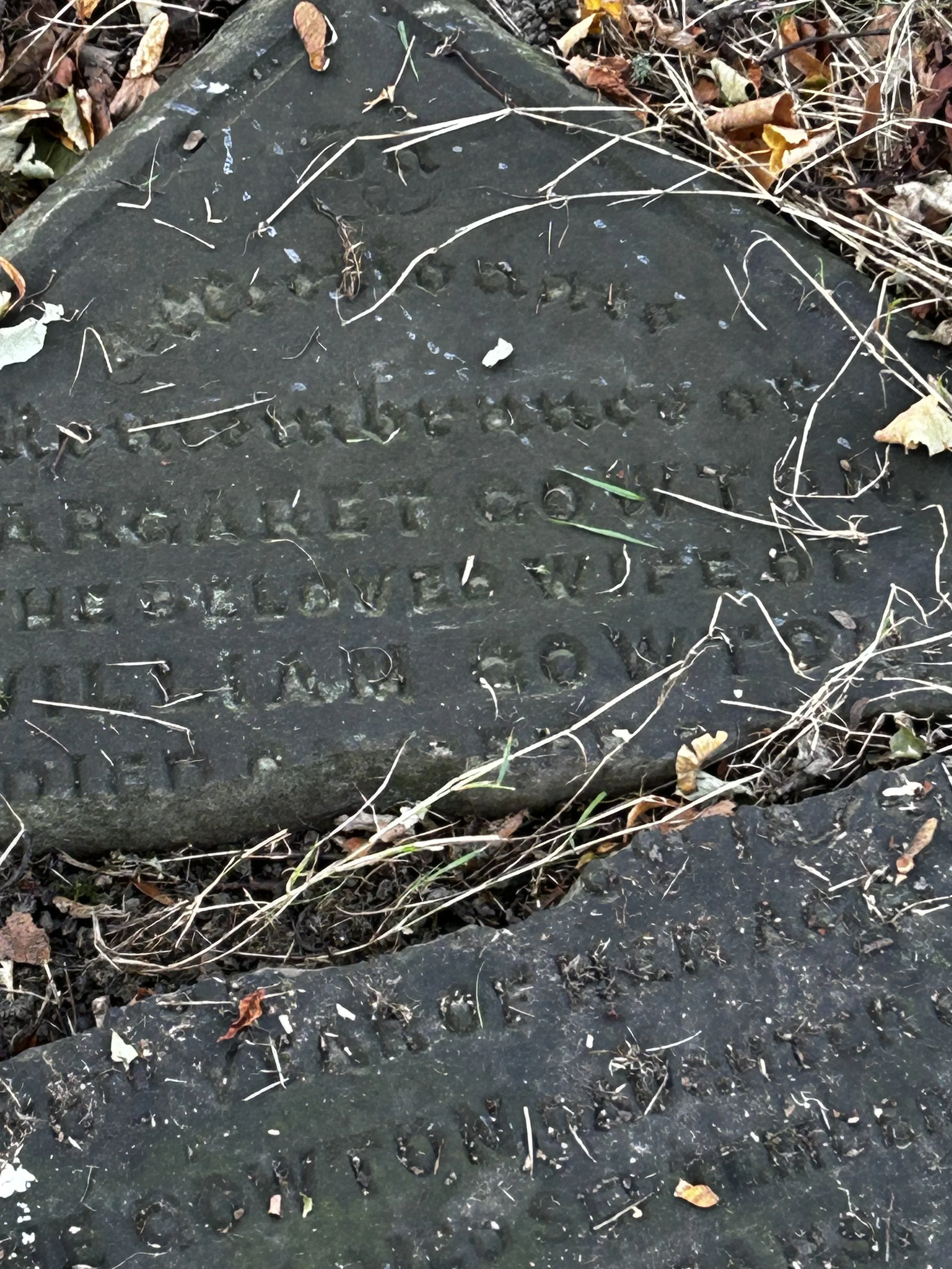
These weathered grave markers commemorate William Gowton, his wife Margaret, and their daughter Jane. Time, weather, and the surrounding landscape have left portions of the memorials nearly hidden from view. Their condition is a reminder that without documentation and continued care, names, dates, and family connections can gradually fade from memory.
These graves represent not the end of a family's story, but the beginning of a journey that would eventually lead to western Pennsylvania
St. Joseph Cemetery (now St. Pius X Cemetery), Mount Pleasant, Pennsylvania
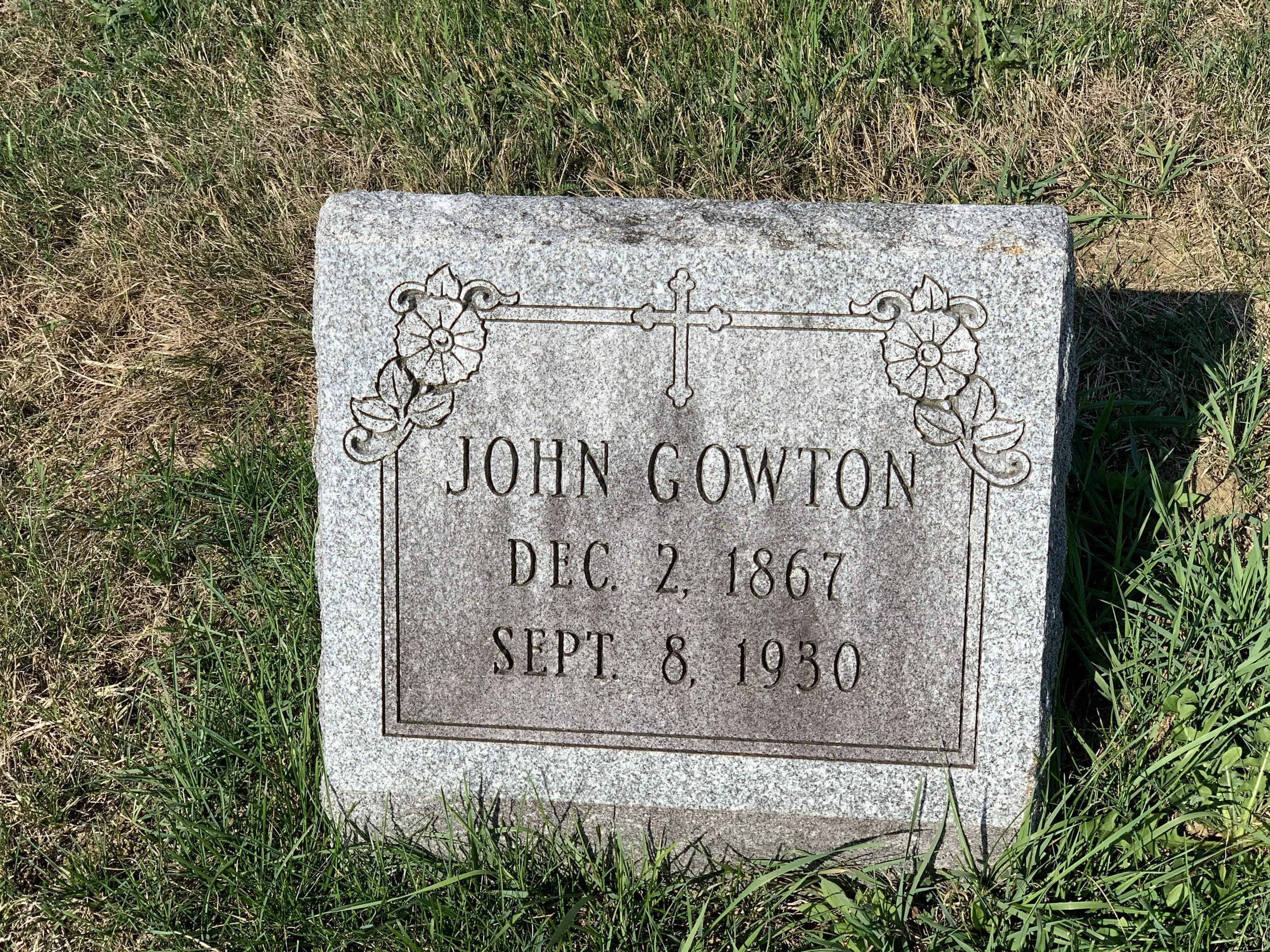
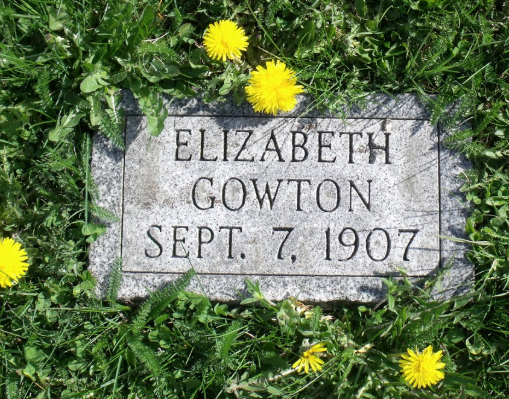
The graves of John Gowton and Elizabeth Gowton represent another chapter in the family's story after its journey from England to western Pennsylvania. Together with the earlier generations buried at St. Andrew's Churchyard in Bishop Auckland and those resting in St. John the Baptist Cemetery in Scottdale, these memorials trace a family's path across generations, communities, and continents.
Each cemetery preserves a different chapter of that story. Together, they remind us that genealogy is more than assembling names and dates—it is discovering the lives, places, and communities that shaped those who came before us.
The Many Ways We Remember
The Frick family mausoleum reflects the wealth and influence accumulated during Pennsylvania's industrial expansion. Nearby cemeteries, potter's fields, and miners' memorials preserve the stories of many of the workers whose labor helped build that prosperity. Together, these places remind us that every life contributes to history, even if history has remembered some lives more visibly than others.
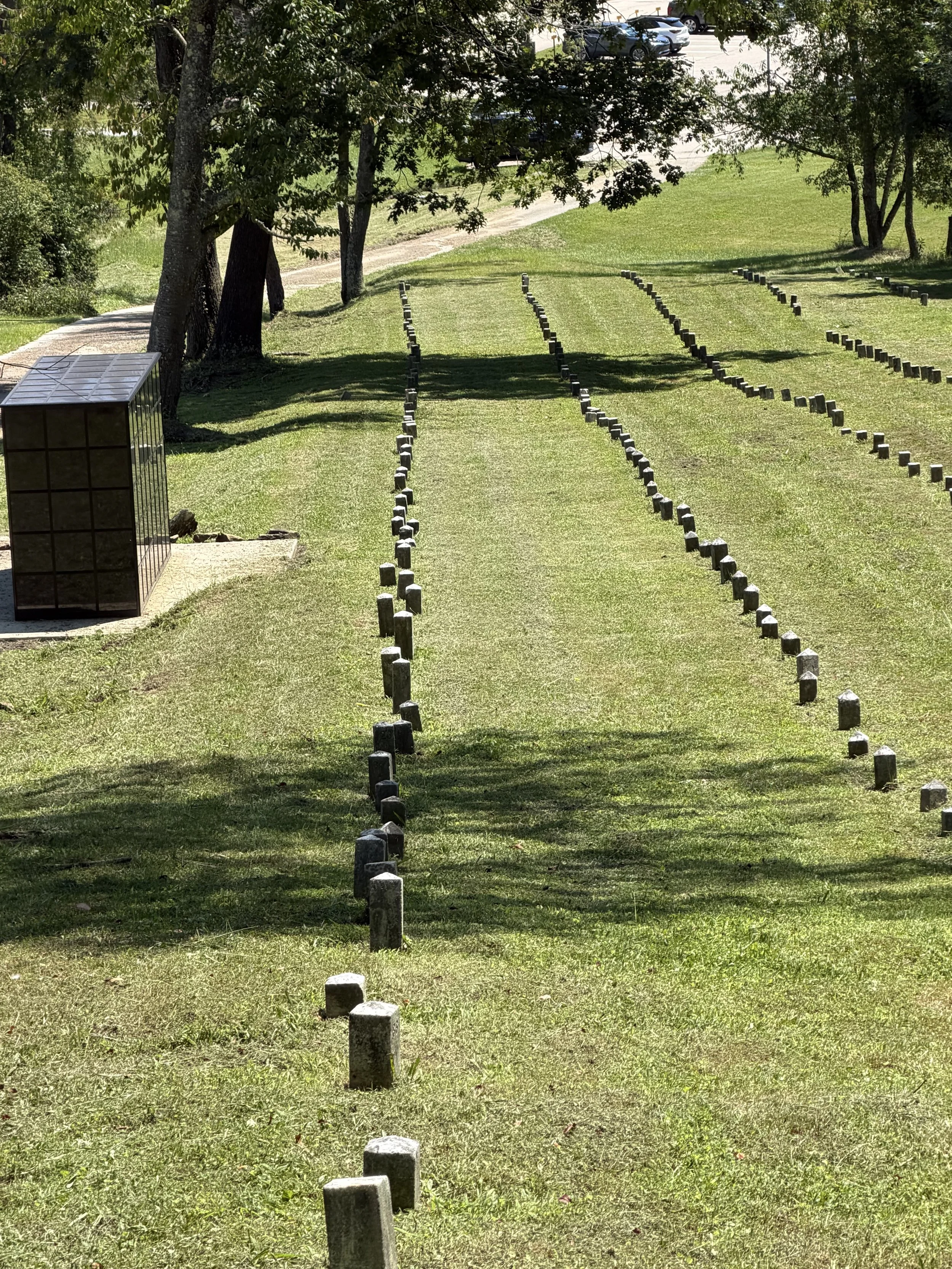
Simple markers identify many who were poor, unidentified, or without family able to provide private burial. Every life deserves to be remembered.
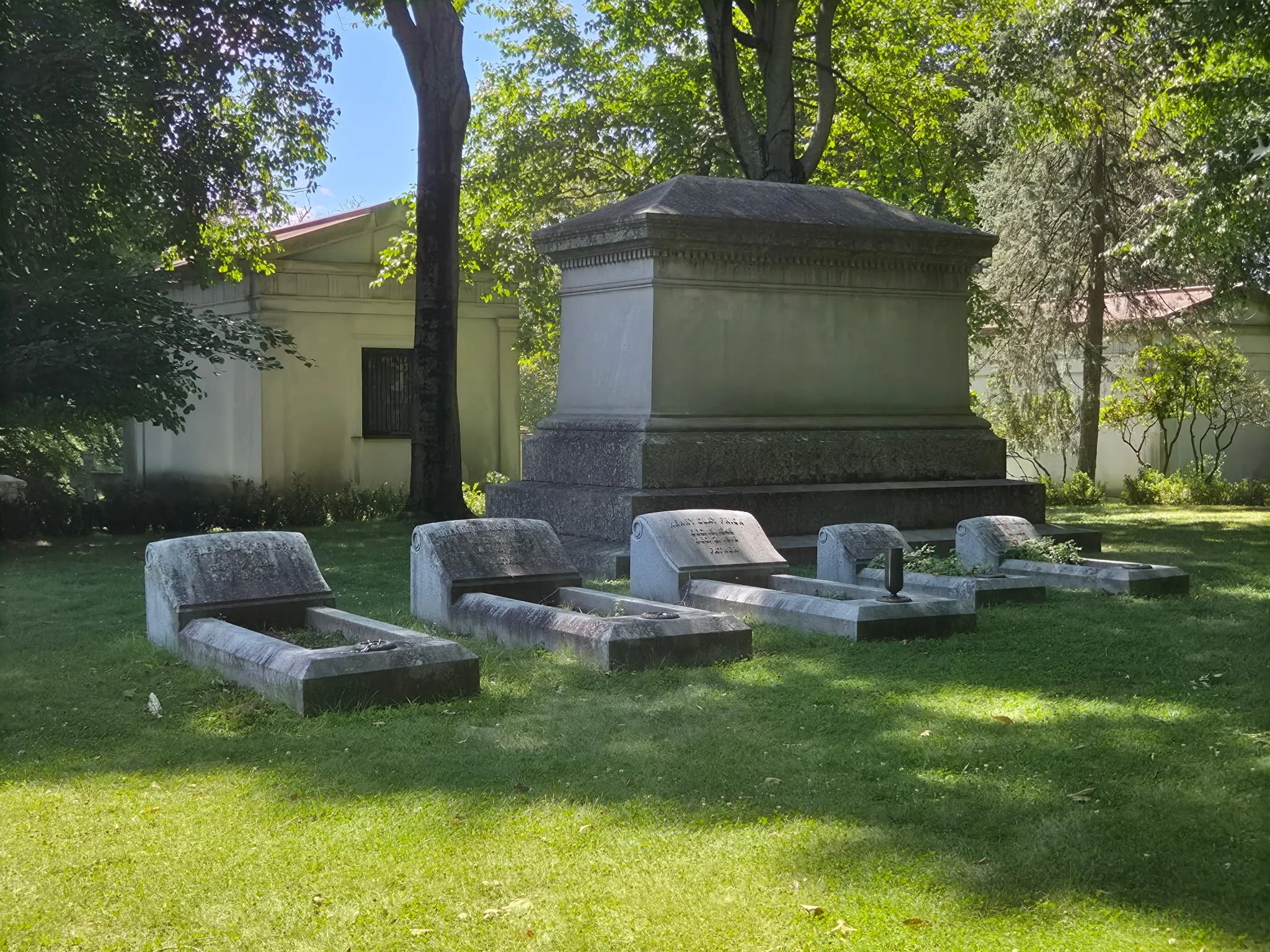
The Frick family mausoleum reflects one chapter of Pennsylvania's industrial history. Nearby cemeteries, miners' memorials, and potter's fields preserve the stories of many whose labor helped build that prosperity